
Quick answer: In 2026, Meta lost two kids’ safety trials and then settled the biggest case against it. A New Mexico jury ordered it to pay $375 million for misleading families about child safety, and a judge added $567 million more. Then, on August 26, 2026, Meta agreed to a proposed settlement of up to $17 billion with 51 attorneys general. As part of it, Meta promised default two-hour daily limits for users under 18, an overnight block, no notifications during school hours and stronger age checks. Below, we explain each case in plain English and give you a checklist to lock down your kid’s Instagram and Facebook today, without waiting for Meta.
Reader-supported: we may earn a commission from links on this page. As an Amazon Associate we earn from qualifying purchases.
Part of our Kids’ Online Safety guides: phones, watches, games and apps.
Table of Contents
What Happened: Meta’s Kids’ Safety Cases at a Glance
| Date | Case | What happened |
|---|---|---|
| March 24, 2026 | New Mexico v. Meta (jury trial) | Jury found Meta liable on both claims under the state’s Unfair Practices Act and ordered $375 million, the maximum $5,000 per violation. |
| March 25, 2026 | K.G.M. v. Meta (Los Angeles personal injury trial) | Jury found Meta and Google negligent in designing their apps: $6 million total, 70% ($4.2 million) assigned to Meta. Both companies appealed. |
| June 2026 | Multistate case (federal court, Oakland) | Before trial, the judge ruled Meta had failed to comply with the federal children’s privacy law, COPPA. |
| August 6, 2026 | New Mexico v. Meta (judge’s ruling) | Judge found Meta created a public nuisance and ordered $567 million into a five-year youth harm fund. Meta said it will appeal. |
| August 26, 2026 | 51 attorneys general settlement | Proposed settlement of up to $17 billion over ten years, plus changes to Instagram and Facebook, subject to court approval. |
Key Findings
- Up to $17 billion to the states over ten years in the August 2026 settlement, with California alone set to receive $1.5 billion to $2.1 billion if the court approves it.
- $942 million ordered in New Mexico across two phases: $375 million from the jury and $567 million from the judge.
- 2 hours a day: the default limit Meta agreed to for users under 18, which only a parent can lift. It drops to 1 hour if other platforms agree to similar terms.
- Midnight to 6am: the default overnight block for users under 18, expanding to 10pm to 7am if other platforms follow.
- 90% within 6 hours: how fast Meta must respond to teens’ reports of harmful content under the settlement.
What the States Accused Meta Of
According to the California Attorney General’s announcement, the lawsuit filed in 2023 accused Meta of three main things:
- Collecting kids’ data illegally. The states said Meta collected and used data from children under 13 without the parental consent required by COPPA, the federal Children’s Online Privacy Protection Act. In June 2026, Judge Yvonne Gonzalez Rogers agreed, ruling that Meta failed to comply with the law. She wrote: “Meta has repeatedly urged that it need not comply. Based on this position, it has not,” according to Courthouse News.
- Designing for compulsive use. The states said features on Instagram and Facebook were built to keep children scrolling, to the harm of their mental and physical health.
- Misleading families. The states said Meta misled users, parents and the public about how serious those risks were.
New Mexico’s case went further. According to AP reporting, the state argued that Meta’s design features enabled predators to sexually exploit children and exposed young users to eating-disorder and self-harm content despite public promises. Source NM reports that the judge’s August order also requires Meta to take steps to keep children under 13 off its platforms in New Mexico.
What the $17 Billion Settlement Changes for Teens
If the court approves the settlement, here’s what changes for users under 18, according to the California Attorney General:
| Change | Default for users under 18 |
|---|---|
| Daily time limit | 2 hours a day, lifted only by a parent (1 hour if other platforms agree to similar terms) |
| Overnight block | Midnight to 6am, lifted only by a parent (10pm to 7am if other platforms follow) |
| Notifications | Blocked 10pm to 7am and during the school day (8am to 3pm, August 15 to June 15) |
| Like counts | Hidden from users under 18 |
| Cosmetic surgery filters | Banned for users under 18 |
| Feed | Option for a non-personalized feed that isn’t driven by an algorithm |
| Reports of harmful content | Meta must respond to 90% within six hours |
| Age checks | Stronger age assurance to find users under 18 and remove children under 13 |
| Oversight | An independent auditor reporting to the attorneys general |
California’s attorney general said Meta would make these changes “within months.” Meta is also barred from making further false or misleading statements about its safety features. The money goes to the states, not directly to families. California and most news reports put the deal at up to $17 billion; Meta’s own statement described it as up to $18 billion paid in installments over ten years.
What Instagram Teen Accounts Already Do
You don’t have to wait for the settlement. Meta already puts teens into Instagram Teen Accounts, launched in September 2024, with these defaults:
- Private account: teens must accept new followers, and non-followers can’t see or interact with their content.
- Limited messages: only people they follow or are already connected to can message them.
- Strictest content settings: the most restrictive sensitive-content and Hidden Words filters are on.
- Time reminders and sleep mode: a reminder to leave after 60 minutes a day, and muted notifications from 10pm to 7am.
- Parent permission: teens under 16 need a parent’s permission to make these settings less strict.
The gap: teens who are 16 or 17 can loosen these settings themselves, and any of this only works if Meta knows your child’s real age.
Parent Checklist: Lock Down Your Kid’s Instagram and Facebook Today
- Check the age on the account. Meta’s rules require users to be at least 13. If your child signed up with a fake birthday, Teen Account protections may not apply.
- Turn on supervision. In Instagram’s Family Center, link your account to your teen’s so you can see time spent, set limits and get alerts when settings change.
- Confirm the account is private and that messages are limited to people your teen follows.
- Set a daily limit and sleep hours now, rather than waiting for the settlement defaults.
- Turn off location sharing in the app and on the phone, and talk about not sharing school names or routines in posts.
- Talk about strangers and AI chatbots. Explain that predators often start with friendly messages, and that AI chat features are not a private friend.
- Lock down the phone too. Use our guides to iPhone parental controls and console parental controls.
Want the full walkthrough? See our step-by-step guide to Instagram parental controls: the age rules, what Teen Accounts do by default, how to set up supervision, and what parents still can’t see.
Not Ready for Social Media? Safer First Devices
If your child isn’t ready for social media, a first device without it can buy you time:
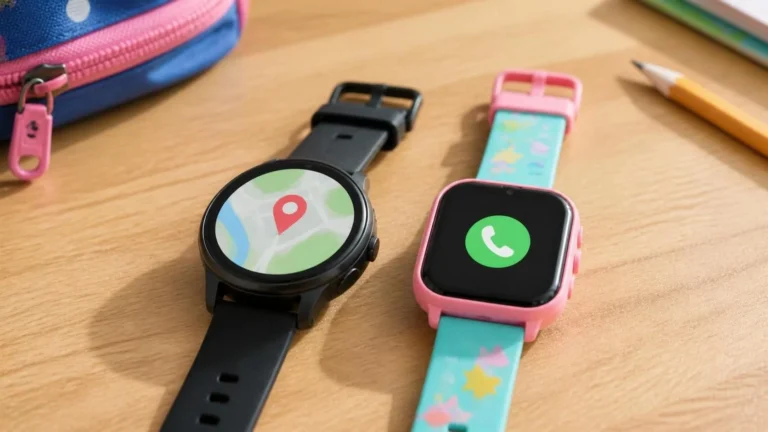
- Gabb Watch 3e: a GPS kids’ watch with calls and texts to parent-approved contacts, and no browser, social media or app store, according to the listing. Its average rating is mixed (3.4 stars), so read recent reviews. It needs a phone plan. Check the current price
- Bark Phone: a smartphone with Bark’s parental controls built in. The listing says it scans texts, email and 30+ apps for signs of predators, bullying and self-harm and alerts parents. It requires a monthly plan. Check the current price
Shopping for a tablet instead? See our best tablets for kids. And if you use Meta’s new AI agent yourself, read is Meta Muse safe?
How We Did This
- We read the California Attorney General’s settlement announcement of August 26, 2026, which lists the settlement terms.
- We checked news coverage of each court decision: AP reporting on the New Mexico jury verdict, Source NM on the judge’s August ruling, Courthouse News on the COPPA ruling, and court records summarized on Wikipedia for the Los Angeles verdict.
- We used Meta’s own announcement for Instagram Teen Accounts settings.
- This is not legal advice. Cases are still on appeal and settlement details can change, so check the latest news before you act.
Use this data: journalists and bloggers are welcome to use the timeline and tables. Please credit PrimeDigger and link to this page.
Frequently Asked Questions
What is the Meta lawsuit about?
Dozens of US states sued Meta in 2023, saying it designed Instagram and Facebook features that drive compulsive use by children and teens, collected data from children under 13 without proper parental consent, and misled the public about the risks. On August 26, 2026, Meta agreed to a proposed settlement of up to $17 billion with a coalition of 51 attorneys general.
Did Meta lose in court?
Yes, in New Mexico. A jury found Meta liable under the state’s Unfair Practices Act in March 2026 and ordered $375 million in penalties, and a judge later ordered $567 million more for a youth harm fund. In Los Angeles, a jury found Meta and Google negligent in a personal injury case. Meta is appealing.
Will parents get money from the Meta settlement?
The settlement payment goes to the states over ten years, not directly to families. California says its share is earmarked for preventing or fixing mental health and other harms to young people linked to social media. Individual injury lawsuits are separate cases.
When will the new Instagram teen limits start?
The settlement was announced as a proposed settlement that still needed court approval. California’s attorney general said Meta would make the changes “within months.” Check Instagram’s settings and Meta’s announcements for the current status.
How old do you have to be to use Instagram or Facebook?
Meta’s rules require users to be at least 13. Under the settlement, Meta agreed to stronger age checks to find users under 18 and to identify and remove children under 13.
What is COPPA?
COPPA is the Children’s Online Privacy Protection Act, a federal law that requires websites and apps to get a parent’s consent before collecting personal information from children under 13. Before the trial, a federal judge ruled that Meta had failed to comply with it.
Sources
- California Attorney General: Transformative $17 billion settlement with Meta (August 26, 2026)
- AP via KUTV: Jury orders Meta to pay $375 million in New Mexico child safety deception case (March 24, 2026)
- Source NM: New Mexico judge orders Meta to pay $567M for youth harm abatement fund (August 6, 2026)
- Courthouse News: Judge orders trial for Meta over social media harms (June 30, 2026)
- Wikipedia: K.G.M. v. Meta et al.
- Meta: Introducing Instagram Teen Accounts (September 17, 2024)
- FTC: Children’s Online Privacy Protection Rule (COPPA)