
Reader-supported: we may earn a commission from links on this page.
Quick answer: Yes, for some fans. A study in the New England Journal of Medicine found that cardiac emergencies in the Munich area were 2.66 times more common on days Germany played in the 2006 World Cup, and 3.26 times more common in men. Nearly half of those with coronary events on match days already had known heart disease. The best protection isn’t a gadget: it’s knowing your heart health, managing blood pressure, going easy on alcohol, and knowing the warning signs of a heart attack.
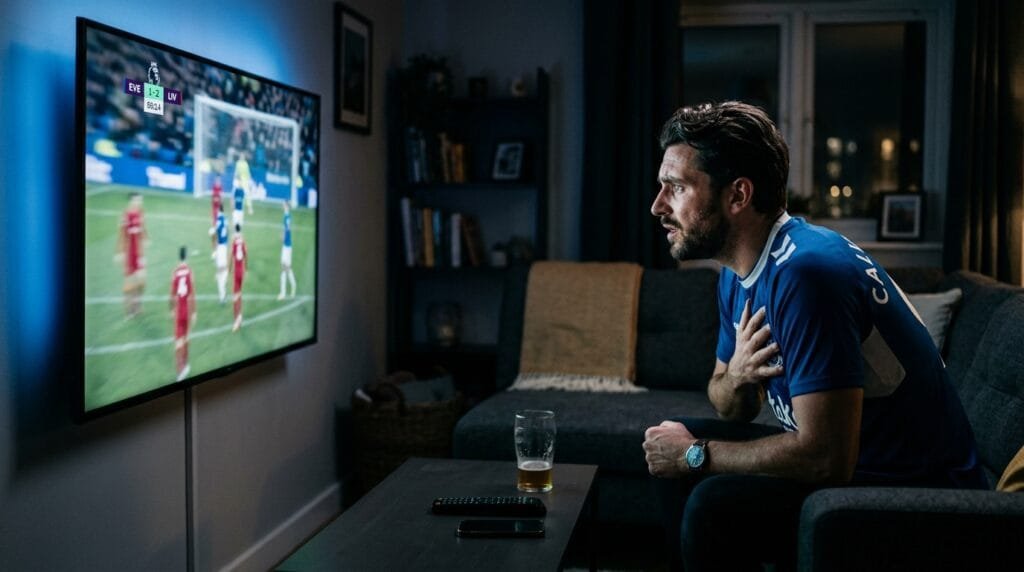
Watching a match feels like the most relaxing thing you can do. We looked at what the research actually shows about big games and heart attacks, who is at risk, and what helps.
Table of Contents
The 2.66x Risk: What the German World Cup Study Found
During the 2006 FIFA World Cup in Germany, researchers tracked cardiac emergencies treated by emergency services in the greater Munich area. The results, published in the New England Journal of Medicine, covered 4,279 patients.
- On days Germany played, cardiac emergencies were 2.66 times more common than during a control period.
- For men, the risk was 3.26 times higher; for women, 1.82 times.
- The highest numbers came in the first two hours after a match started.
- Among people who had a coronary event on match days, 47% already had known coronary heart disease, compared with 29% in the control period.
The researchers concluded that watching a stressful match more than doubles the risk of an acute cardiac event, especially for men with existing heart disease.
Penalty Shootouts: The England Study
A 2002 study in the BMJ looked at hospital admissions in England around the 1998 World Cup. On June 30, 1998, England lost to Argentina on penalties. Admissions for heart attacks rose by 25% that day and the following two days, with no rise for other diagnoses or after England’s other matches.
The authors said this suggests a heart attack can be triggered by emotional upset, such as watching your team lose an important match.
Who Is Actually at Risk?
Stress from a big game raises heart rate and blood pressure through the body’s fight-or-flight response. For most healthy people, that’s harmless. The risk is concentrated in people whose arteries are already damaged, where a sudden surge can trigger a heart attack. You’re at higher risk if you:
- Have known heart disease or have had a heart attack or stent
- Have high blood pressure, high cholesterol or diabetes
- Smoke
- Are a man (the rise in the German study was much larger in men)
Heavy drinking and very salty snacks on match day don’t help either, since both can raise blood pressure. For simple food and drink swaps, see our look at what football players eat compared with fans.
Heart Attack Warning Signs to Know
The American Heart Association lists these warning signs of a heart attack:
- Chest discomfort, pressure, squeezing or pain
- Pain or discomfort in one or both arms, the back, neck, jaw or stomach
- Shortness of breath
- Cold sweat, nausea or lightheadedness
If you notice these signs, call 911 (or your local emergency number) right away. Don’t wait for the match to end.
How to Protect Your Heart on Match Day
- Know your numbers. Get your blood pressure and cholesterol checked, and follow your doctor’s treatment plan.
- Take your medication. If you have heart disease, keep taking your prescribed medicines and keep any emergency medication your doctor gave you nearby.
- Go easy on alcohol and salty snacks.
- Take breaks. If you feel very wound up, step away, breathe slowly, or watch with friends who keep you calm.
- Stay active the rest of the week. Regular exercise is one of the best things you can do for your heart.
For more on calming your body under stress, see our research on which stress relief products actually work.
Tools That Can Help You Track Your Heart Health
No gadget or supplement can prevent a match-day heart attack. But if you or your doctor want to keep a closer eye on your heart health, these can help you track your numbers over time.
Home Blood Pressure Monitor: Garmin Index BPM
Check the current price of the Garmin Index BPM
An FDA-cleared smart blood pressure monitor that syncs readings to your phone, so you and your doctor can see trends over time. High blood pressure is one of the biggest risk factors for heart attack and often has no symptoms.
ECG Smartwatch: Withings ScanWatch Nova
Check the current price of the Withings ScanWatch Nova
A hybrid smartwatch with continuous heart rate tracking and an ECG feature that, according to Withings, can check for irregular heart rhythms such as atrial fibrillation. It’s a tracking tool, not a heart attack detector, and it can’t replace medical care.
The PrimeDigger Verdict
The research is real: big, stressful matches have been linked to more heart attacks, especially in men and in people who already have heart disease. If that’s you, talk to your doctor, keep taking your medication, go easy on alcohol, and know the warning signs. For everyone else, enjoy the game, and keep your heart healthy the rest of the year.
Want the deeper investigation? Our ebook The Wearable Scam Bible looks at fitness trackers, heart and recovery scores, and the subscription traps built into modern wearables. Get the ebook ($19) → See all our ebooks →
This article is for general information, not medical advice. If you have a heart condition or take medication, talk to your doctor. In an emergency, call 911 or your local emergency number. Read our Health Disclaimer.
Frequently Asked Questions
Can watching football really cause a heart attack?
It can trigger one in people at risk. A New England Journal of Medicine study found cardiac emergencies were 2.66 times more common on days Germany played in the 2006 World Cup, and a BMJ study found heart attack admissions in England rose 25% after a 1998 penalty shootout loss.
Who is most at risk of a match-day heart attack?
People with known heart disease, high blood pressure, high cholesterol or diabetes, smokers, and men. In the German study, nearly half of those with coronary events on match days already had known heart disease.
What are the warning signs of a heart attack?
Chest pain or pressure, pain in the arms, back, neck, jaw or stomach, shortness of breath, cold sweat, nausea or lightheadedness. Call 911 right away if you notice them.
How can fans protect their heart during big games?
Know and treat your blood pressure and cholesterol, keep taking prescribed medication, limit alcohol and salty snacks, take breaks if you feel very stressed, and stay active during the week.
Sources
- Wilbert-Lampen et al. (2008), New England Journal of Medicine: Cardiovascular events during World Cup soccer
- Carroll et al. (2002), BMJ: Admissions for myocardial infarction and World Cup football
- American Heart Association: Warning signs of a heart attack