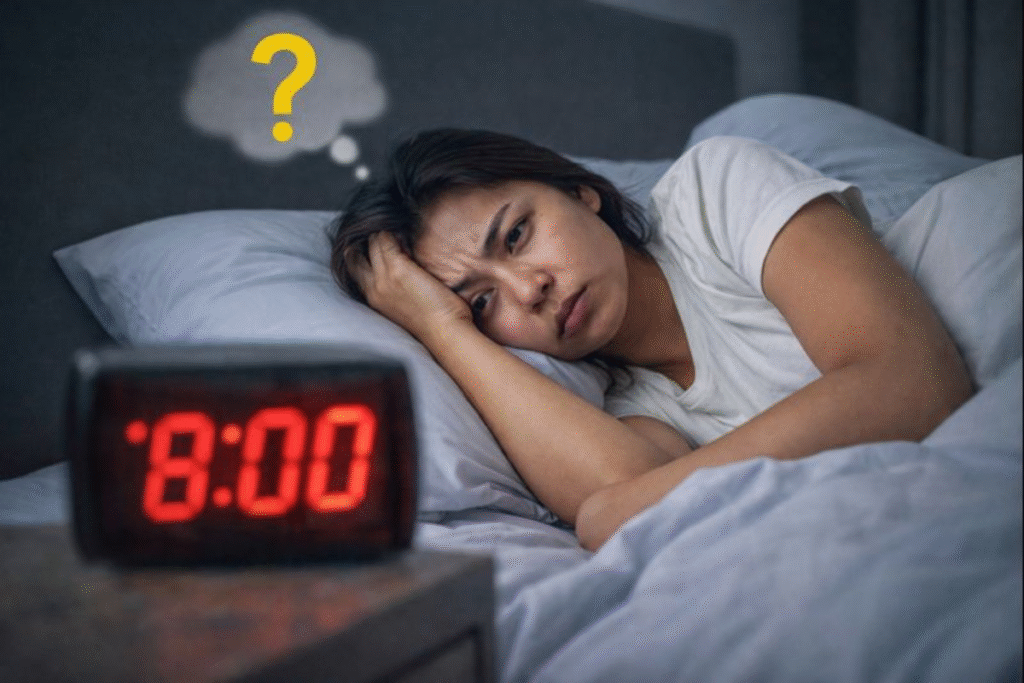
You went to bed early.
You slept for 7–8 hours.
“Yet you woke up feeling exhausted and tired after 8 hours of sleep.”
If this sounds familiar, you’re not alone.
Millions of people ask the same question every day:
“Why do I still feel tired after a full night’s sleep?”
The answer is rarely “you didn’t sleep enough.”
More often, it’s how your body slept — and what it lacked during the night.
One overlooked factor plays a huge role here: magnesium.
Many people use magnesium glycinate to support deeper, more restorative sleep.
Why 8 Hours of Sleep Isn’t Always Restorative
Sleep duration and sleep quality are not the same thing.
You can spend 8 hours in bed but still:
- Stay stuck in light sleep
- Wake up frequently without noticing
- Fail to reach deep sleep and REM sleep
These stages are where:
- Your brain resets
- Muscles recover
- Stress hormones drop
- Memory and mood stabilize
If your nervous system can’t fully relax, deep sleep never fully happens.
And this is where magnesium enters the picture.
The Nervous System Connection Most People Miss
Magnesium is one of the most important minerals for your nervous system.
It helps:
- Calm brain activity
- Relax muscles and prevent nighttime tension
- Regulate stress hormones like cortisol
- Support melatonin (your sleep hormone)
When magnesium levels are low, the brain stays in a “half-alert” state, even during sleep.
That can explain:
- Waking up tired
- Feeling unrested despite long sleep
- Racing thoughts at night
- Morning anxiety or irritability
Modern diets, stress, coffee, and poor absorption make magnesium deficiency very common — even in people who eat “healthy.”
Signs You May Be Low in Magnesium
You don’t need a blood test to notice the signs.
Common symptoms include:
- Feeling tired after sleeping
- Difficulty falling asleep
- Muscle twitches or restless legs
- Jaw tension or teeth grinding
- Anxiety or mental fog
- Low stress tolerance
If several of these sound familiar, magnesium might be part of the puzzle.
Why Magnesium Glycinate Is Often the Best Choice
Not all magnesium supplements work the same way.
Some forms can upset the stomach or act more like laxatives.
Magnesium glycinate is different.
It’s known for:
- High absorption
- Being gentle on the stomach
- Strong calming effect
- Supporting deep, restorative sleep
Many people report:
- Falling asleep faster
- Sleeping more deeply
- Waking up feeling mentally clear
- Reduced nighttime anxiety
This doesn’t mean magnesium is a “sleeping pill.”
It simply helps your body do what it’s already designed to do.
👉 Magnesium glycinate is widely used for sleep support due to its calming effect on the nervous system.
How to Use Magnesium for Better Sleep
For most adults:
- Take magnesium 30–60 minutes before bed
- Pair it with a calm nighttime routine
- Avoid screens and caffeine late at night
Consistency matters more than dosage.
The effects often build over several nights, not instantly.
What Magnesium Won’t Fix (Important to Know)
Magnesium is helpful but it’s not magic.
It won’t:
- Replace poor sleep habits
- Override heavy caffeine use
- Fix severe sleep disorders on its own
However, for many people, it’s the missing piece that turns “sleeping” into actual rest.
The Bottom Line
If you’re sleeping 8 hours but still feeling tired, the issue may not be time — it may be nervous system recovery.
Magnesium plays a critical role in calming the body, supporting deep sleep, and helping you wake up refreshed instead of drained.
For people dealing with stress, mental overload, or restless sleep, addressing magnesium levels is often a simple but powerful step.
Sleep better, think clearer, and wake up feeling like your rest actually mattered.
Pingback: What can help me fall asleep at night? Discover 7 science-backed fixes
Pingback: 3 Hours of Sleep Effects: What Really Happens to Your Body