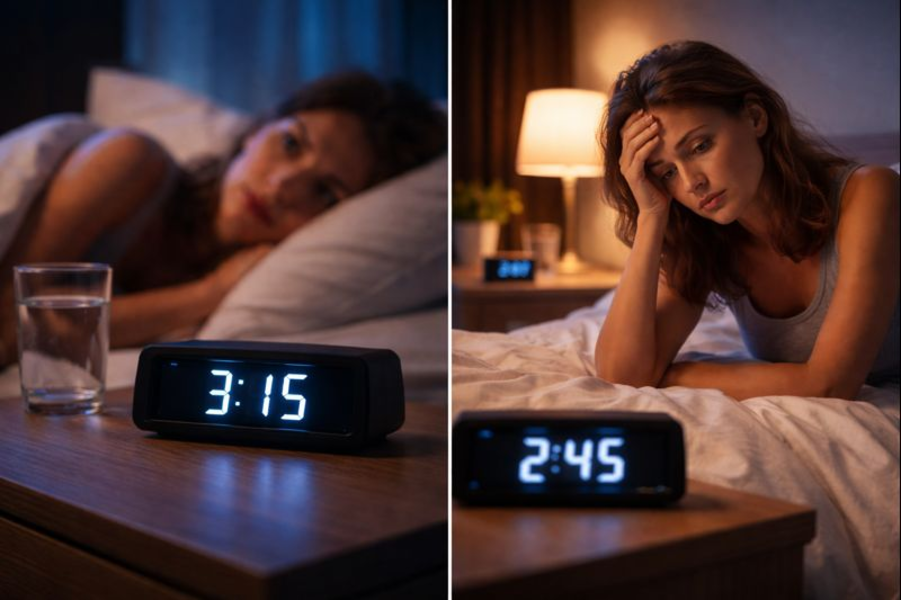
If you struggle to fall asleep at night, you’re not alone.
Millions of people lie in bed every evening feeling tired — yet unable to switch their brain off. Racing thoughts, stress, screen exposure, or poor sleep habits can quietly sabotage your ability to fall asleep, even when you do everything “right.”
The good news? Science shows that small, targeted changes can make a real difference. In this article, we’ll break down what actually helps you fall asleep at night — without myths, gimmicks, or unrealistic routines.
Why Falling Asleep Is Harder Than It Should Be
Falling asleep isn’t just about feeling tired — it’s about how calm your nervous system is when your head hits the pillow.
Modern habits quietly keep the brain in “alert mode.” Stress from the day, late-night screen use, irregular sleep schedules, and even caffeine consumed earlier in the afternoon can delay the body’s natural sleep signals.
When this happens, your brain keeps producing stimulating hormones instead of transitioning into the relaxed state needed to fall asleep.
Fix #1: Calm Your Nervous System Before Bed (Not Your Mind)
Most people try to “force sleep” by telling themselves to relax — but sleep doesn’t work that way.
The nervous system must shift from alert mode into parasympathetic (rest-and-digest) mode before sleep can happen. If your body is tense, your brain will stay awake — no matter how tired you feel.
This is why “thinking yourself to sleep” rarely works.
Magnesium plays a key role in calming the nervous system. We explained this in detail in our article on why you still feel tired after 8 hours of sleep.
Fix #2: Lower Night-Time Stress Hormones (Light & Timing Matter More Than You Think)
What Can Help Me Fall Asleep at Night Naturally? Most people focus on sleep duration, but sleep onset is mainly controlled by hormones — especially cortisol and melatonin.
Late-night screen exposure, bright lights, and inconsistent sleep timing keep cortisol elevated when it should be falling. When cortisol stays high, your body stays alert — even if you’re exhausted.
This is why scrolling on your phone or watching intense content before bed makes falling asleep harder, not easier.
To support faster sleep onset:
- Dim lights at least 60–90 minutes before bed
- Avoid screens or use night-mode filters
- Go to bed at the same time every night (even on weekends)
These small changes help signal safety to your nervous system — allowing melatonin to rise naturally. If you’ve been asking what can help me fall asleep at night, the answer isn’t forcing sleep—it’s calming your nervous system first
Many people also support this wind-down phase with magnesium glycinate, a form known for calming the nervous system rather than stimulating digestion.
Fix #3: Stop Trying to Sleep — Shift Your Body Instead
One of the biggest sleep mistakes is trying too hard to fall asleep.
When you lie in bed actively thinking “I need to sleep”, your brain interprets that urgency as a problem — and problem-solving mode keeps you awake.
Sleep happens when your body feels safe and bored, not pressured.
Instead of forcing sleep, try this:
- If you don’t feel sleepy after ~20 minutes, don’t fight it
- Get out of bed and do something low-stimulation (dim light, no phone)
- Return to bed only when your eyelids feel heavy
This trains your brain to associate your bed with sleep, not frustration.
A simple body-based technique that works surprisingly well is slow physiological breathing:
- Inhale through the nose
- Long, slow exhale through the mouth
- Repeat for 2–3 minutes
This directly activates the parasympathetic (“rest-and-digest”) nervous system — often faster than mental techniques.
Many people notice these techniques work even better when their nervous system isn’t deficient in key calming minerals.
Final Thoughts: Falling Asleep Is a Nervous System Skill — Not a Willpower Test
If you’ve been lying awake wondering “Why can’t I fall asleep?”, the answer usually isn’t lack of effort — it’s lack of alignment.
Falling asleep isn’t something you force.
It happens when your nervous system feels safe, calm, and supported.
The fixes in this guide work because they:
- Reduce nighttime stress signals
- Lower stimulation instead of adding pressure
- Support your body’s natural sleep chemistry
- Train your brain to associate bed with rest
You don’t need extreme routines or complicated sleep hacks.
Small, consistent changes — done daily — compound into real improvements in sleep quality.
Pingback: 3 Hours of Sleep Effects: What Really Happens to Your Body